

Introduction
Hummingbirds are enchanting creatures that captivate with their iridescent plumage and graceful, hovering flight. These tiny marvels of nature bring a sense of wonder and joy to any outdoor space fortunate enough to host them.
Essential tips for attracting hummingbirds to your garden.
- Include a variety of nectar-rich flowers, especially in red and orange shades, to attract hummingbirds.
- Set up multiple feeders with a sugar water solution (1 part sugar to 4 parts water) in various locations in your garden.
- Provide water sources such as birdbaths or misters for hummingbirds to drink and bathe.
- Avoid using pesticides in your garden to protect hummingbirds and their food sources.
Attracting hummingbirds to your garden offers a multitude of benefits, both for the environment and for the gardener:
Hummingbird Garden Essentials

FEED GARDEN Glass Hummingbird Feeder, 16oz Outdoor Hanging Bird Feeder with Ant Moat, 4 Bee-Proof Feeding Ports, 360° Perch, Leak-Proof, Red
FEED GARDEN Glass Hummingbird Feeder, 16oz Outdoor Hanging Bird Feeder with Ant…
VIEW LATEST PRICE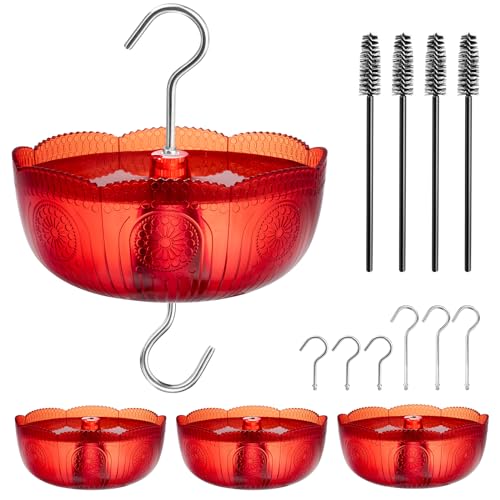
Ant Moat for Hummingbird Feeders, (4 Pack, 6 OZ) Vintage Style Humingbird Feeder Parts Ant Guard & Stopper(Red)
Ant Moat for Hummingbird Feeders, (4 Pack, 6 OZ) Vintage Style Humingbird…
VIEW LATEST PRICE
Plastic Hummingbird Feeders for Outdoors Hanging Ant and Bee Proof, 2 Pack 15 Ounces Red Hummingbird Feeder with 5 Feeding Ports and Perches, Built-in Ant Moat, Outside Garden Décor (Plastic, 2)
Plastic Hummingbird Feeders for Outdoors Hanging Ant and Bee Proof, 2 Pack…
VIEW LATEST PRICE- Pollination: Hummingbirds are efficient pollinators, contributing to the reproduction of various plants in your garden.
- Natural Pest Control: By attracting hummingbirds, you can naturally reduce the population of insects such as aphids and spiders.
- Aesthetic Enhancement: The vibrant presence of these birds adds a touch of natural beauty and liveliness to your garden.
By creating an environment that is welcoming to hummingbirds, you not only invite these delightful creatures into your daily life but also play a part in preserving their populations. In the following sections, we will explore how to understand hummingbirds, create an inviting environment for them, provide essential food and water, comprehend their behavior patterns, and offer practical tips for effectively attracting these charming visitors to your garden.
Understanding Hummingbirds
Hummingbirds are fascinating creatures with their vibrant colors and unique flying abilities. To attract these tiny marvels to your garden, it’s important to understand their behavior and preferences. Here are some key points to consider:
1. Overview of Hummingbirds
Hummingbirds belong to the family Trochilidae and are known for their small size and rapid wingbeats. They are found only in the Americas, from Alaska to Argentina, with the highest diversity in tropical regions.
2. Unique Characteristics of Hummingbirds
Hummingbirds have several remarkable adaptations that set them apart from other birds:
- They have the ability to hover in mid-air.
- They can fly backward.
- They can even fly upside down.
Their wings beat at an astonishing rate of 50 to 80 times per second, allowing them to move with incredible agility.
3. Feeding Habits and Preferences of Hummingbirds
Hummingbirds primarily feed on nectar from flowers, which provides them with the energy they need for their high metabolic rate. They are attracted to brightly colored tubular flowers, especially those that are red or orange, as these colors stand out against their green feathers. In addition to nectar, they also consume small insects and spiders for protein.
To create a garden that appeals to hummingbirds, it’s essential to provide a variety of nectar-rich plants and understand their feeding habits. By incorporating suitable flowers and understanding their unique characteristics, you can create an environment that is irresistible to these enchanting creatures.
Creating a Hummingbird-Friendly Environment
Creating a hummingbird-friendly environment is essential to attract these beautiful creatures to your garden. By providing the right plants and flowers, you can create a haven that will entice hummingbirds to visit regularly. Here are some key points to consider:
- Importance of nectar-rich plants: Hummingbirds primarily feed on nectar, so it’s crucial to have a variety of nectar-rich plants in your garden. These plants should have tubular-shaped flowers that allow the hummingbirds to easily access the nectar. The color of the flowers also plays a role, as hummingbirds are particularly attracted to bright red and orange blooms.
- Choosing the right plants for attracting hummingbirds: When selecting plants for your garden, opt for native species that are known to attract hummingbirds. Native plants have evolved alongside these birds and provide them with familiar food sources. Additionally, consider incorporating a mix of annuals, perennials, vines, and shrubs to provide a continuous supply of nectar throughout the seasons.
- Incorporating a variety of flowers and plant types: To keep hummingbirds interested in your garden, include a diverse range of flower shapes and sizes. This will not only provide visual interest but also cater to different feeding preferences. For example, trumpet-shaped flowers like honeysuckle are particularly enticing to hummingbirds. Including different plant heights and structures can also create more opportunities for hummingbirds to perch and rest.
By creating an environment filled with nectar-rich plants that cater to the unique feeding habits of hummingbirds, you’ll significantly increase the likelihood of attracting these enchanting creatures to your garden. Remember to regularly maintain and care for your plants to ensure they remain healthy and vibrant, as this will continue to attract hummingbirds year after year.
Providing Food and Water for Hummingbirds
Hummingbirds need two things to thrive in your garden: nectar-rich food sources and access to water for drinking and bathing. Here’s what you need to know about providing food and water for hummingbirds:
Making sugar water for hummingbirds
Prepare a simple yet effective sugar water solution by following these steps:
- Mix 1 part white sugar with 4 parts water.
- Boil the water before adding sugar to help dissolve it better.
- Let the solution cool down before filling up the feeders.
Proper use and placement of feeders
When it comes to hummingbird feeders, here are some important tips:
- Position them strategically near flowers that produce nectar.
- Keep them away from windows to prevent birds from colliding with the glass.
- Clean and refill the feeders regularly to ensure a healthy food source.
Homemade hummingbird feeder recipe
If you prefer a DIY approach, you can make your own hummingbird feeder using recycled materials like glass bottles or jars. Here’s how:
- Make small holes in the cap of the bottle or jar.
- Attach a feeding tube or use a ready-made one.
- Fill it up with the sugar water solution.
Importance of water for drinking and bathing
In addition to nectar, hummingbirds also rely on water for staying hydrated and keeping their feathers clean. Here are two ways you can provide water features for them:
- Misting devices: Set up misting devices in your garden that create a fine spray of water.
- Shallow containers with rocks: Place shallow dishes or trays filled with water and add some rocks for perching.
Installing a birdbath or fountain for hummingbirds
Another option is to install a birdbath or fountain specifically designed to attract hummingbirds. Look for features like a gentle mist or spray that will catch their attention. This not only provides them with water but also adds beauty to your outdoor space.
By making sure there’s always enough food and water available, you’ll be able to attract these beautiful birds and enjoy their presence in your garden.
Understanding Hummingbird Behavior Patterns
Hummingbirds are fascinating creatures known for their unique behavior patterns, including migration, territorial behavior, and spatial memory.
1. Overview of Hummingbird Migration Patterns
Hummingbirds are remarkable migratory birds, with some species traveling thousands of miles each year. For example, the Ruby-throated Hummingbird migrates from Central America to eastern North America, covering approximately 500 miles across the Gulf of Mexico. Understanding the timing and routes of hummingbird migration can help gardeners prepare to attract these delightful visitors.
2. Dealing with Territorial Behavior in Hummingbirds
Hummingbirds are fiercely territorial and will vigorously defend their feeding and nesting areas. This behavior is particularly prominent during the breeding season when competition for resources intensifies. Gardeners should be mindful of providing multiple feeding stations and planting an abundance of nectar-rich flowers to accommodate the territorial nature of hummingbirds.
3. Insights into the Spatial Memory of Hummingbirds
Research has shown that hummingbirds possess exceptional spatial memory, allowing them to remember the locations of reliable food sources. Once a hummingbird identifies a consistent nectar or feeder location, it will return reliably, making it essential for gardeners to maintain a consistent environment for these remarkable birds.
Understanding these behavior patterns can significantly enhance the success of creating a welcoming habitat for hummingbirds in your garden.
Tips for Attracting Hummingbirds to Your Garden
When it comes to attracting hummingbirds to your garden, there are several tips and strategies that can help create an inviting environment for these delightful creatures. Here are some gardening tips for attracting hummingbirds:
- Plant a variety of flowers: Incorporate a diverse selection of nectar-rich plants with tubular flowers in shades of red, orange, and pink. This diversity will provide a continuous nectar supply throughout the blooming seasons and attract a wide range of hummingbird species.
- Provide consistent food sources: Hang multiple feeders with sugar water (1 part white sugar to 4 parts water) in different areas of your garden to ensure a stable food supply. Keeping the feeders clean and easily accessible is essential for attracting and retaining hummingbirds.
- Create a safe and welcoming habitat: Minimize the use of pesticides in your garden and encourage your neighbors to do the same. Additionally, maintain shrubbery and small deciduous trees to offer nesting sites for hummingbirds and other wildlife.
- Be patient and observant: Attracting hummingbirds takes time, so be persistent in your efforts. Keep an eye out for their arrival, as they may take some time to discover and frequent your garden.
By implementing these gardening tips for attracting hummingbirds, you can foster an environment that not only entices these enchanting birds but also supports their overall well-being within your garden.
Conclusion
Creating a hummingbird-friendly garden is not only a rewarding experience but also a great way to contribute to the conservation of these beautiful creatures. By understanding their unique characteristics, feeding habits, and behavior patterns, you can attract and provide a welcoming environment for hummingbirds in your garden. Here are some key takeaways:
- Plant nectar-rich flowers: Choose a variety of red and orange tubular flowers that provide a good source of nectar for hummingbirds. Some popular choices include bee balm, cardinal flower, and trumpet vine.
- Provide fuel-providing feeders: Hang feeders with sugar water solution (1 part white sugar to 4 parts water) in your garden. Keep them clean and easily accessible for hummingbirds.
- Create bathing opportunities: Install birdbaths or fountains with mists or sprays to provide water for drinking and bathing. Hummingbirds love to cool off and clean their feathers in water.
- Maintain nesting sites: Keep shrubbery and small deciduous trees in your garden to provide suitable nesting sites for hummingbirds. They prefer protected areas with dense foliage.
- Minimize pesticide use: Reduce the use of pesticides in your garden. Opt for natural pest control methods to protect both the hummingbirds and their food sources.
- Encourage neighbors: Spread awareness among your neighbors about the importance of creating hummingbird-friendly yards. Encourage them to minimize pesticide use and plant native flowers that attract hummingbirds.
By creating an environment filled with nectar-rich plants that cater to the unique feeding habits of hummingbirds, you’ll significantly increase the likelihood of attracting these enchanting creatures to your garden. Remember to regularly maintain and care for your plants to ensure they remain healthy and vibrant, as this will continue to attract hummingbirds year after year.
By implementing these gardening tips for attracting hummingbirds, you can foster an environment that not only entices these enchanting birds but also supports their overall well-being within your garden.


Leave a Reply